Case Study
401(k) Loans: Safeguarding $460M in At-Risk Assets
How MassMutual’s digital solution used educational friction to build trust and fortify a $4.2 billion loan portfolio.
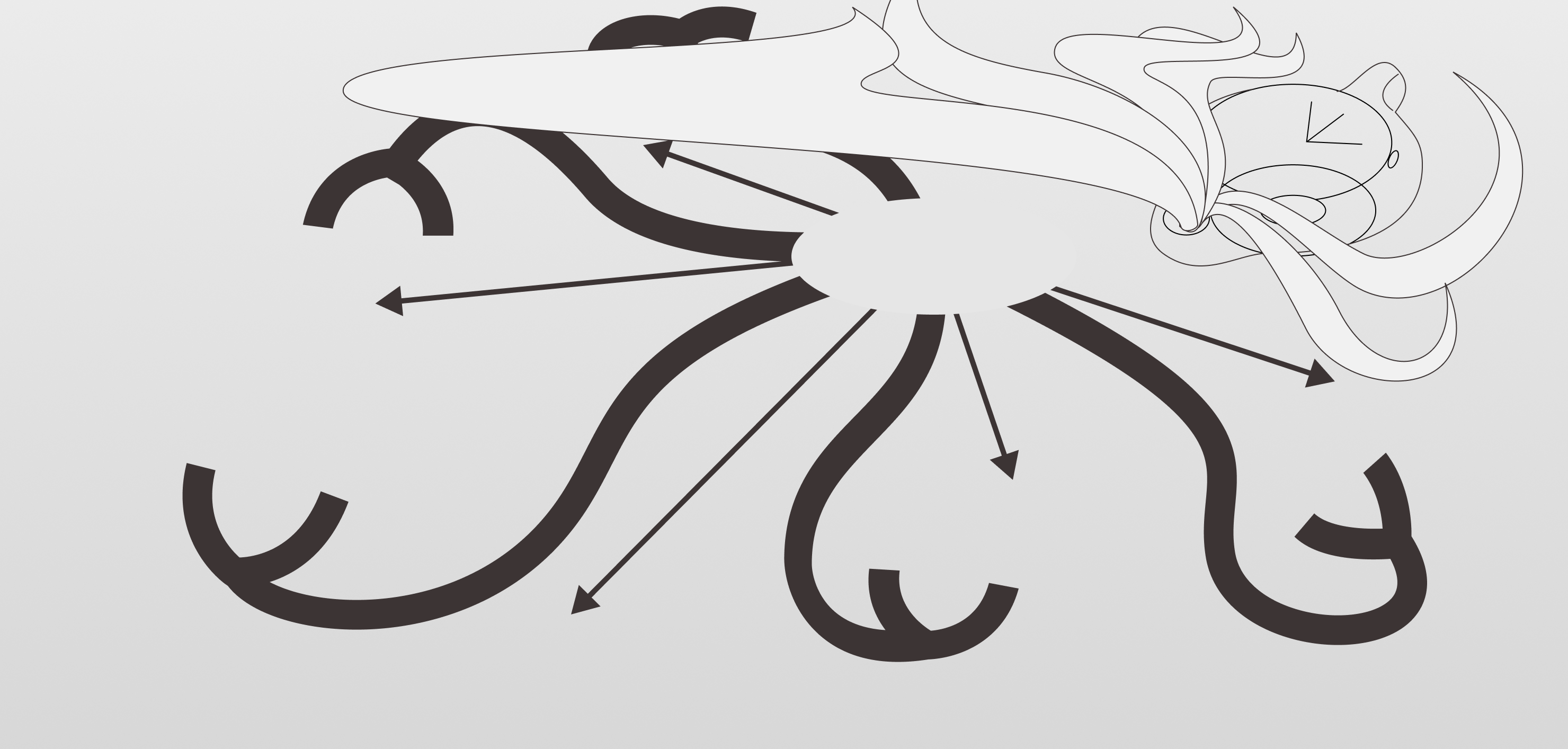
Timofey Piper,
Hidden Danger,
2026,
Vector illustration
Artwork Details
MassMutual
Senior Product Designer
1 month
MassMutual was losing millions in AUM through high-risk 401(k) loans, jeopardizing customer retirements without generating business revenue. As the sole Senior Product Designer on a specialized six-person team, I redesigned the workflow to discourage harmful debt, strengthening long-term customer trust within a 1-month timeframe.
Challenge




$460 Million
Total assets at risk


3 hr
Average completion time



86% Default Rate
Triggered by job loss




Double Taxation
Hidden tax on repayments
Solution
Digital Workflow for 401(k) Loan





Before
After
A
B


A
B


End-to-End Digital Workflows


Educational Friction
$
$
$


$
Simplified Payment Summary
$


$
Interactive Loan Sliders
Real-Time Loss Calculator
Impact
$1.6M
Annual back-office labor savings
178k
1.8M
Legacy
Digital
3 hours
Average customer time savings per request
10m
190m
Legacy
Digital

Complete Case Study
Context
The hidden risks of digital efficiency
Situation
MassMutual, the third-largest U.S. life insurer, was converting the 401(k) loan legacy paper form into digital solutions to increase customer satisfaction and reduce operational costs. However, during the redesign, I realized the digital solution inadvertently removed critical safeguards, exposing customers to the damaging risks. On top of that, these loans generated zero revenue and only created financial liability.
My role
I was hired as the sole Product Designer on a specialized six-person team tasked with developing digital solutions to eliminate paper forms. My work focused on digitizing a series of high-impact requests, including the process for obtaining a 401(k) loan.

Challenge
Confronting the 'free money' myth
The U.S. Congress originally legalized 401(k) loans to encourage plan participation, functioning as a "safety valve" for liquidity. MassMutual’s legacy paper-based process created inherent friction, forcing customers to deliberately consider the gravity of the request.
However, our new digital workflow turned a financial last resort into a "one-click" impulse. Without education, users treated high-risk debt like a simple bank transfer, unknowingly jeopardizing their retirement for short-term cash.
Legacy design
The legacy form functioned as an unintentional gatekeeper. Optional fields for notary stamps, spousal consent, and HR signatures were mistaken for requirements, making the application look like a grueling chore. Combined with the burden of calculating their maximum loan amount, this friction deterred impulse borrowing far better than the risk warnings buried in the fine print.
Legacy Form


Customer interviews
Interviews exposed three critical misconceptions. Users believed loans were cost-free since interest was paid back to themselves. They were unaware that leaving their job triggered immediate repayment. Worse, they overlooked the 'double taxation' trap: paying taxes on the repayment now, and again at retirement.
Employee interviews
Interviews with internal teams uncovered a fundamental flaw: unchecked borrowing created a potential ~$4.2 Billion in AUM leakage, directly threatening primary revenue for MassMutual. This exposed a critical blind spot: while baseline defaults were 10%, they surged to 86% following job termination. MassMutual was draining its own asset pool to service a zero-profit product that maximized fiduciary liability.
Hypotheses
My initial hypothesis was that removing legacy barriers—notary stamps, spousal consent, and HR signatures—would simplify the workflow. However, research revealed that eliminating all friction created a dangerous financial liability for users. This forced a strategic pivot: instead of removing barriers, I had to redesign them.
User Journey


Product strategy
I introduced 'educational friction'—a strategy focused on making the hidden costs of the loan clearly visible, adding intentional pauses to stop people from clicking on autopilot, and requiring users to prove they understood the risks instead of just scrolling past the fine print. By prioritizing the user's long-term financial health over short-term convenience, I was able to build trust while protecting retirement savings and halting AUM erosion.
Success criteria
Increase customer satisfaction by
Eliminating "print, sign, and send.”
Eliminating notary stamps, spousal consent, and HR signatures.
Visualizing real-time loan eligibility.
Building trust through liability education.
Reduce business cost by
Reducing total AUM erosion.
Automating manual data entry.

Solution
Prioritizing financial wellness over conversion
Creating a digital solution wasn't enough. The workflow had to act as a reality check, asking the user: 'Do you really understand what this loan costs?' This approach prioritized clarity over speed.
Benefits of digital over paper
The legacy paper workflow required manual loan calculations, printing, and mailing. A single "catch-all" form exposed users to unnecessary requirements like notary stamps, spousal consent, and HR signatures. During initial testing, only 2 of 8 participants correctly identified the steps required for their specific loan type.
To eliminate these structural inefficiencies, I replaced the paperwork with a digital solution that pre-filled essential data and stripped away irrelevant blockers. This transition saved customers an average of 30 minutes per application and reduced business expenses by $60,000 annually by eliminating manual data entry. Following the redesign, user comprehension increased to 6 of 8 participants.
Aa
A
a


Before
After
Educational friction points
Users viewed loans as "free money," unaware of lost compound growth, double taxation, and the "job loss trap" where leaving a job triggers immediate repayment. The initial business requirements didn't include these risks, creating a severe knowledge gap; testing confirmed that only 4 of 8 participants understood these long-term consequences.
To bridge this knowledge gap, I introduced a plain-English warning feature explaining why the business discouraged borrowing. This "educational friction" forced users to pause and learn about the risks before committing to a loan. By replacing financial jargon with clear consequences, comprehension surged, with 7 of 8 participants fully grasping the severe risks involved.
Before
After
Simplified payment & fees
Legacy forms failed to explain the mechanics behind payments and fees. Digital transition requirements compounded this by introducing a confusing mix of interest rates and varying payment schedules. Testing confirmed a significant comprehension gap; only 1 of 8 participants could accurately identify the costs and commitments of their loan.
To simplify these structures, I grouped disorganized line items into clear categories for the summary view. To ensure legal compliance, I placed every individual fee within a "Show Details" toggle. Following the redesign, 8 of 8 participants successfully understood their full financial commitment.
$
$
$
$
Before
After
Loan term inputs & sliders
The legacy workflow forced users to act as their own loan officers, requiring manual calculations of borrowing limits against vested balances. Lacking access to live data, participants often requested amounts exceeding legal limits, triggering unavoidable HR rejections. This guesswork was a primary blocker; initial testing revealed that only 3 of 8 participants correctly determined their eligible loan amount.
To eliminate this guesswork, I designed a hybrid interface pairing visual sliders with precise text fields. This allowed users to manipulate loan amounts and repayment terms to find the right balance between what they could afford. Automated safeguards prevented mistakes, allowing users to experiment with confidence. Following the redesign, 7 of 8 participants successfully configured a loan without errors.To eliminate this guesswork, I designed a hybrid interface pairing visual sliders with precise text fields. This allowed users to manipulate loan amounts and repayment terms to find the right balance between what they could afford. Automated safeguards prevented mistakes, allowing users to experiment with confidence. Following the redesign, 20 of 24 participants successfully configured a loan without errors.
$
$
Before
After
Real-time loss calculator
The true cost of borrowing remained invisible. Even for the few users who understood "double taxation" and "lost growth," the actual financial impact was impossible to calculate. Testing confirmed a total "blindness": 1 of 8 participants could estimate the actual dollar amount lost over the life of a loan.
To solve this, I prototyped a real-time calculator. Even though it was deferred for the initial launch, the user testing was a revelation: 6 of 8 participants cited the hard numbers as the primary reason they chose to abandon the loan and seek alternatives.
Before
After
Impact
Verified solution, interrupted by acquisition
Shortly after this redesign, MassMutual sold its retirement business to Empower Retirement. While this transition precluded long-term data collection, the project succeeded in its primary strategic goal.
Leakage risk mitigation
Design interventions prevent millions in projected leakage
Projected annual savings for Empower post-acquisition, based on MassMutual legacy metrics and industry benchmarks.
Digital Exposure
Educational Friction
Operational Cost
Projected Leakage
Design Impact

0
30
60
90
120
150
Source: Vass Company Benchmark (2019), NBER Behavioral Analysis (2010), and MassMutual Internal Data (2020)
TP
Operational cost savings
The digital platform significantly reduces operating costs
Cost of labor for data entry and support, per year
Data Entry
Support Calls
Error Resolution
Legacy Form
Digital Solution
0
800K
1.2M
1.6M
2M
Source: MassMutual Internal Operational Data (2020)
TP
Customer time savings
Customers complete the application much faster
Average time required to complete a single form, in minutes
Fill Form
Notary Stamp
Spousal Consent
HR Signature
Print & Mail
Legacy Form
Digital Solution
0
50
100
150
200
Source: MassMutual User Experience Research (UXR) Study (2020)
TP
User testing
Participants clearly prefer the digital workflow
Comparison of participant feedback, based on a before-and-after study of 8 users
Legacy Platform
Redesigned Platform
Correctly identified loan requirements
2
6
Understood loan's financial risks
4
7
Understood loan costs and obligation
1
8
Correctly calculated loan limit
3
7
Understood loan’s actual monetary loss
1
6
Source: MassMutual User Experience Research (UXR) Study (2021)
TP
Case StudyWritten and Designed by Timofey Piper




Case Study
401(k) Loans: Safeguarding $460M in At-Risk Assets
How MassMutual’s digital solution used educational friction to build trust and fortify a $4.2 billion loan portfolio.
Timofey Piper,
Hidden Danger,
2026,
Vector illustration
Artwork Details
MassMutual
Senior Product Designer
1 month
MassMutual was losing millions in AUM through high-risk 401(k) loans, jeopardizing customer retirements without generating business revenue. As the sole Senior Product Designer on a specialized six-person team, I redesigned the workflow to discourage harmful debt, strengthening long-term customer trust within a 1-month timeframe.
Challenge
$460 Million
Total assets at risk
3 hr
Average completion time
86% Default Rate
Triggered by job loss
Double Taxation
Hidden tax on repayments
Solution
Digital Workflow for 401(k) Loan


Before
After
End-to-End Digital Workflows
A
B
A
B
Educational Friction
Simplified Payment Summary
$
$
$
$
Interactive Loan Sliders
$
$
Real-Time Loss Calculator
Impact
$1.6M
Annual back-office labor savings
178k
1.8M
Legacy
Digital
3 hours
Average customer time savings per request
10m
190m
Legacy
Digital

Complete Case Study
Context
The hidden risks of digital efficiency
Situation
MassMutual, the third-largest U.S. life insurer, was converting the 401(k) loan legacy paper form into digital solutions to increase customer satisfaction and reduce operational costs. However, during the redesign, I realized the digital solution inadvertently removed critical safeguards, exposing customers to the damaging risks. On top of that, these loans generated zero revenue and only created financial liability.
My role
I was hired as the sole Product Designer on a specialized six-person team tasked with developing digital solutions to eliminate paper forms. My work focused on digitizing a series of high-impact requests, including the process for obtaining a 401(k) loan.
Challenge
Confronting the 'free money' myth
The U.S. Congress originally legalized 401(k) loans to encourage plan participation, functioning as a "safety valve" for liquidity. MassMutual’s legacy paper-based process created inherent friction, forcing customers to deliberately consider the gravity of the request.
However, our new digital workflow turned a financial last resort into a "one-click" impulse. Without education, users treated high-risk debt like a simple bank transfer, unknowingly jeopardizing their retirement for short-term cash.
Legacy design
The legacy form functioned as an unintentional gatekeeper. Optional fields for notary stamps, spousal consent, and HR signatures were mistaken for requirements, making the application look like a grueling chore. Combined with the burden of calculating their maximum loan amount, this friction deterred impulse borrowing far better than the risk warnings buried in the fine print.
Legacy Form

Customer interviews
Interviews exposed three critical misconceptions. Users believed loans were cost-free since interest was paid back to themselves. They were unaware that leaving their job triggered immediate repayment. Worse, they overlooked the 'double taxation' trap: paying taxes on the repayment now, and again at retirement.
Employee interviews
Interviews with internal teams uncovered a fundamental flaw: unchecked borrowing created a potential ~$4.2 Billion in AUM leakage, directly threatening primary revenue for MassMutual. This exposed a critical blind spot: while baseline defaults were 10%, they surged to 86% following job termination. MassMutual was draining its own asset pool to service a zero-profit product that maximized fiduciary liability.
Hypotheses
My initial hypothesis was that removing legacy barriers—notary stamps, spousal consent, and HR signatures—would simplify the workflow. However, research revealed that eliminating all friction created a dangerous financial liability for users. This forced a strategic pivot: instead of removing barriers, I had to redesign them.
User Journey
Product strategy
I introduced 'educational friction'—a strategy focused on making the hidden costs of the loan clearly visible, adding intentional pauses to stop people from clicking on autopilot, and requiring users to prove they understood the risks instead of just scrolling past the fine print. By prioritizing the user's long-term financial health over short-term convenience, I was able to build trust while protecting retirement savings and halting AUM erosion.
Success criteria
Increase customer satisfaction by
Eliminating "print, sign, and send.”
Eliminating notary stamps, spousal consent, and HR signatures.
Visualizing real-time loan eligibility.
Building trust through liability education.
Reduce business cost by
Reducing total AUM erosion.
Automating manual data entry.
Solution
Prioritizing financial wellness over conversion
Creating a digital solution wasn't enough. The workflow had to act as a reality check, asking the user: 'Do you really understand what this loan costs?' This approach prioritized clarity over speed.
Benefits of digital over paper
The legacy paper workflow required manual loan calculations, printing, and mailing. A single "catch-all" form exposed users to unnecessary requirements like notary stamps, spousal consent, and HR signatures. During initial testing, only 2 of 8 participants correctly identified the steps required for their specific loan type.
To eliminate these structural inefficiencies, I replaced the paperwork with a digital solution that pre-filled essential data and stripped away irrelevant blockers. This transition saved customers an average of 30 minutes per application and reduced business expenses by $60,000 annually by eliminating manual data entry. Following the redesign, user comprehension increased to 6 of 8 participants.
Aa
A
a
Before
After
Educational friction points
Users viewed loans as "free money," unaware of lost compound growth, double taxation, and the "job loss trap" where leaving a job triggers immediate repayment. The initial business requirements didn't include these risks, creating a severe knowledge gap; testing confirmed that only 4 of 8 participants understood these long-term consequences.
To bridge this knowledge gap, I introduced a plain-English warning feature explaining why the business discouraged borrowing. This "educational friction" forced users to pause and learn about the risks before committing to a loan. By replacing financial jargon with clear consequences, comprehension surged, with 7 of 8 participants fully grasping the severe risks involved.
Before
After
Simplified payment & fees
Legacy forms failed to explain the mechanics behind payments and fees. Digital transition requirements compounded this by introducing a confusing mix of interest rates and varying payment schedules. Testing confirmed a significant comprehension gap; only 1 of 8 participants could accurately identify the costs and commitments of their loan.
To simplify these structures, I grouped disorganized line items into clear categories for the summary view. To ensure legal compliance, I placed every individual fee within a "Show Details" toggle. Following the redesign, 8 of 8 participants successfully understood their full financial commitment.
$
$
$
$
Before
After
Loan term inputs & sliders
The legacy workflow forced users to act as their own loan officers, requiring manual calculations of borrowing limits against vested balances. Lacking access to live data, participants often requested amounts exceeding legal limits, triggering unavoidable HR rejections. This guesswork was a primary blocker; initial testing revealed that only 3 of 8 participants correctly determined their eligible loan amount.
To eliminate this guesswork, I designed a hybrid interface pairing visual sliders with precise text fields. This allowed users to manipulate loan amounts and repayment terms to find the right balance between what they could afford. Automated safeguards prevented mistakes, allowing users to experiment with confidence. Following the redesign, 7 of 8 participants successfully configured a loan without errors.To eliminate this guesswork, I designed a hybrid interface pairing visual sliders with precise text fields. This allowed users to manipulate loan amounts and repayment terms to find the right balance between what they could afford. Automated safeguards prevented mistakes, allowing users to experiment with confidence. Following the redesign, 20 of 24 participants successfully configured a loan without errors.
$
$
Before
After
Real-time loss calculator
The true cost of borrowing remained invisible. Even for the few users who understood "double taxation" and "lost growth," the actual financial impact was impossible to calculate. Testing confirmed a total "blindness": 1 of 8 participants could estimate the actual dollar amount lost over the life of a loan.
To solve this, I prototyped a real-time calculator. Even though it was deferred for the initial launch, the user testing was a revelation: 6 of 8 participants cited the hard numbers as the primary reason they chose to abandon the loan and seek alternatives.
Before
After
Impact
Verified solution, interrupted by acquisition
Shortly after this redesign, MassMutual sold its retirement business to Empower Retirement. While this transition precluded long-term data collection, the project succeeded in its primary strategic goal.
Leakage risk mitigation
Design interventions prevent millions in projected leakage
Projected annual savings for Empower post-acquisition, based on MassMutual legacy metrics and industry benchmarks.
Digital Exposure
Educational Friction
Operational Cost
Projected Leakage
Design Impact
0
30
60
90
120
150
Source: Vass Company Benchmark (2019), NBER Behavioral Analysis (2010), and MassMutual Internal Data (2020)
TP
Operational cost savings
The digital platform significantly reduces operating costs
Cost of labor for data entry and support, per year
Data Entry
Support Calls
Error Resolution
Legacy Form
Digital Solution
0
800K
1.2M
1.6M
2M
Source: MassMutual Internal Operational Data (2020)
TP
Customer time savings
Customers complete the application much faster
Average time required to complete a single form, in minutes
Fill Form
Notary Stamp
Spousal Consent
HR Signature
Print & Mail
Legacy Form
Digital Solution
0
50
100
150
200
Source: MassMutual User Experience Research (UXR) Study (2020)
TP
User testing
Participants clearly prefer the digital workflow
Comparison of participant feedback, based on a before-and-after study of 8 users
Legacy Platform
Redesigned Platform
Correctly identified loan requirements
2
6
Understood loan's financial risks
4
7
Understood loan costs and obligation
1
8
Correctly calculated loan limit
3
7
Understood loan’s actual monetary loss
1
6
Source: MassMutual User Experience Research (UXR) Study (2021)
TP
Case StudyWritten and Designed by Timofey Piper
Case Study
401(k) Loans: Safeguarding $460M in At-Risk Assets
How MassMutual’s digital solution used educational friction to build trust and fortify a $4.2 billion loan portfolio.
Timofey Piper,
Hidden Danger,
2026,
Vector illustration
Artwork Details
MassMutual
Senior Product Designer
1 month
MassMutual was losing millions in AUM through high-risk 401(k) loans, jeopardizing customer retirements without generating business revenue. As the sole Senior Product Designer on a specialized six-person team, I redesigned the workflow to discourage harmful debt, strengthening long-term customer trust within a 1-month timeframe.
Challenge
$460 Million
Total assets at risk
3 hr
Average completion time

86% Default Rate
Triggered by job loss
Double Taxation
Hidden tax on repayments
Digital Workflow for 401(k) Loan
Body
Before
After
End-to-End Digital Workflows
A
B
A
B
Educational Friction
Simplified Payment Summary
$
$
$
$
Interactive Loan Sliders
$
$
Real-Time Loss Calculator
Impact
$1.6M
Annual back-office labor savings
178k
1.8M
Legacy
Digital
3 hours
Average customer time savings per request
10m
190m
Legacy
Digital

Complete Case Study
Context
The hidden risks of digital efficiency
Situation
MassMutual, the third-largest U.S. life insurer, was converting the 401(k) loan legacy paper form into digital solutions to increase customer satisfaction and reduce operational costs. However, during the redesign, I realized the digital solution inadvertently removed critical safeguards, exposing customers to the damaging risks. On top of that, these loans generated zero revenue and only created financial liability.
My role
I was hired as the sole Product Designer on a specialized six-person team tasked with developing digital solutions to eliminate paper forms. My work focused on digitizing a series of high-impact requests, including the process for obtaining a 401(k) loan.
Challenge
Confronting the 'free money' myth
The U.S. Congress originally legalized 401(k) loans to encourage plan participation, functioning as a "safety valve" for liquidity. MassMutual’s legacy paper-based process created inherent friction, forcing customers to deliberately consider the gravity of the request.
However, our new digital workflow turned a financial last resort into a "one-click" impulse. Without education, users treated high-risk debt like a simple bank transfer, unknowingly jeopardizing their retirement for short-term cash.
Legacy design
The legacy form functioned as an unintentional gatekeeper. Optional fields for notary stamps, spousal consent, and HR signatures were mistaken for requirements, making the application look like a grueling chore. Combined with the burden of calculating their maximum loan amount, this friction deterred impulse borrowing far better than the risk warnings buried in the fine print.
Legacy Form
Customer interviews
Interviews exposed three critical misconceptions. Users believed loans were cost-free since interest was paid back to themselves. They were unaware that leaving their job triggered immediate repayment. Worse, they overlooked the 'double taxation' trap: paying taxes on the repayment now, and again at retirement.
Employee interviews
Interviews with internal teams uncovered a fundamental flaw: unchecked borrowing created a potential ~$4.2 Billion in AUM leakage, directly threatening primary revenue for MassMutual. This exposed a critical blind spot: while baseline defaults were 10%, they surged to 86% following job termination. MassMutual was draining its own asset pool to service a zero-profit product that maximized fiduciary liability.
Hypotheses
My initial hypothesis was that removing legacy barriers—notary stamps, spousal consent, and HR signatures—would simplify the workflow. However, research revealed that eliminating all friction created a dangerous financial liability for users. This forced a strategic pivot: instead of removing barriers, I had to redesign them.
User Journey
Product strategy
I introduced 'educational friction'—a strategy focused on making the hidden costs of the loan clearly visible, adding intentional pauses to stop people from clicking on autopilot, and requiring users to prove they understood the risks instead of just scrolling past the fine print. By prioritizing the user's long-term financial health over short-term convenience, I was able to build trust while protecting retirement savings and halting AUM erosion.
Success criteria
Increase customer satisfaction by
Eliminating "print, sign, and send.”
Eliminating notary stamps, spousal consent, and HR signatures.
Visualizing real-time loan eligibility.
Building trust through liability education.
Reduce business cost by
Reducing total AUM erosion.
Automating manual data entry.
Solution
Prioritizing financial wellness over conversion
Creating a digital solution wasn't enough. The workflow had to act as a reality check, asking the user: 'Do you really understand what this loan costs?' This approach prioritized clarity over speed.
Benefits of digital over paper
The legacy paper workflow required manual loan calculations, printing, and mailing. A single "catch-all" form exposed users to unnecessary requirements like notary stamps, spousal consent, and HR signatures. During initial testing, only 2 of 8 participants correctly identified the steps required for their specific loan type.
To eliminate these structural inefficiencies, I replaced the paperwork with a digital solution that pre-filled essential data and stripped away irrelevant blockers. This transition saved customers an average of 30 minutes per application and reduced business expenses by $60,000 annually by eliminating manual data entry. Following the redesign, user comprehension increased to 6 of 8 participants.
Aa
A
a
Before
After
Educational friction points
Users viewed loans as "free money," unaware of lost compound growth, double taxation, and the "job loss trap" where leaving a job triggers immediate repayment. The initial business requirements didn't include these risks, creating a severe knowledge gap; testing confirmed that only 4 of 8 participants understood these long-term consequences.
To bridge this knowledge gap, I introduced a plain-English warning feature explaining why the business discouraged borrowing. This "educational friction" forced users to pause and learn about the risks before committing to a loan. By replacing financial jargon with clear consequences, comprehension surged, with 7 of 8 participants fully grasping the severe risks involved.
Before
After
Simplified payment & fees
Legacy forms failed to explain the mechanics behind payments and fees. Digital transition requirements compounded this by introducing a confusing mix of interest rates and varying payment schedules. Testing confirmed a significant comprehension gap; only 1 of 8 participants could accurately identify the costs and commitments of their loan.
To simplify these structures, I grouped disorganized line items into clear categories for the summary view. To ensure legal compliance, I placed every individual fee within a "Show Details" toggle. Following the redesign, 8 of 8 participants successfully understood their full financial commitment.
$
$
$
$
Before
After
Loan term inputs & sliders
The legacy workflow forced users to act as their own loan officers, requiring manual calculations of borrowing limits against vested balances. Lacking access to live data, participants often requested amounts exceeding legal limits, triggering unavoidable HR rejections. This guesswork was a primary blocker; initial testing revealed that only 3 of 8 participants correctly determined their eligible loan amount.
To eliminate this guesswork, I designed a hybrid interface pairing visual sliders with precise text fields. This allowed users to manipulate loan amounts and repayment terms to find the right balance between what they could afford. Automated safeguards prevented mistakes, allowing users to experiment with confidence. Following the redesign, 7 of 8 participants successfully configured a loan without errors.To eliminate this guesswork, I designed a hybrid interface pairing visual sliders with precise text fields. This allowed users to manipulate loan amounts and repayment terms to find the right balance between what they could afford. Automated safeguards prevented mistakes, allowing users to experiment with confidence. Following the redesign, 20 of 24 participants successfully configured a loan without errors.
$
$
Before
After
Real-time loss calculator
The true cost of borrowing remained invisible. Even for the few users who understood "double taxation" and "lost growth," the actual financial impact was impossible to calculate. Testing confirmed a total "blindness": 1 of 8 participants could estimate the actual dollar amount lost over the life of a loan.
To solve this, I prototyped a real-time calculator. Even though it was deferred for the initial launch, the user testing was a revelation: 6 of 8 participants cited the hard numbers as the primary reason they chose to abandon the loan and seek alternatives.
Before
After
Impact
Verified solution, interrupted by acquisition
Shortly after this redesign, MassMutual sold its retirement business to Empower Retirement. While this transition precluded long-term data collection, the project succeeded in its primary strategic goal.
Leakage risk mitigation
Design interventions prevent millions in projected leakage
Projected annual savings for Empower post-acquisition, based on MassMutual legacy metrics and industry benchmarks.
Digital Exposure
Educational Friction
Operational Cost
Projected Leakage
Design Impact
0
30
60
90
120
150
Source: Vass Company Benchmark (2019), NBER Behavioral Analysis (2010), and MassMutual Internal Data (2020)
TP
Operational cost savings
The digital platform significantly reduces operating costs
Cost of labor for data entry and support, per year
Data Entry
Support Calls
Error Resolution
Legacy Form
Digital Solution
0
800K
1.2M
1.6M
2M
Source: MassMutual Internal Operational Data (2020)
TP
Customer time savings
Customers complete the application much faster
Average time required to complete a single form, in minutes
Fill Form
Notary Stamp
Spousal Consent
HR Signature
Print & Mail
Legacy Form
Digital Solution
0
50
100
150
200
Source: MassMutual User Experience Research (UXR) Study (2020)
TP
User testing
Participants clearly prefer the digital workflow
Comparison of participant feedback, based on a before-and-after study of 8 users
Legacy Platform
Redesigned Platform
Correctly identified loan requirements
2
6
Understood loan's financial risks
4
7
Understood loan costs and obligation
1
8
Correctly calculated loan limit
3
7
Understood loan’s actual monetary loss
1
6
Source: MassMutual User Experience Research (UXR) Study (2021)
TP
Case StudyWritten and Designed by Timofey Piper